

Kidney Stone Treatment in Mancherial

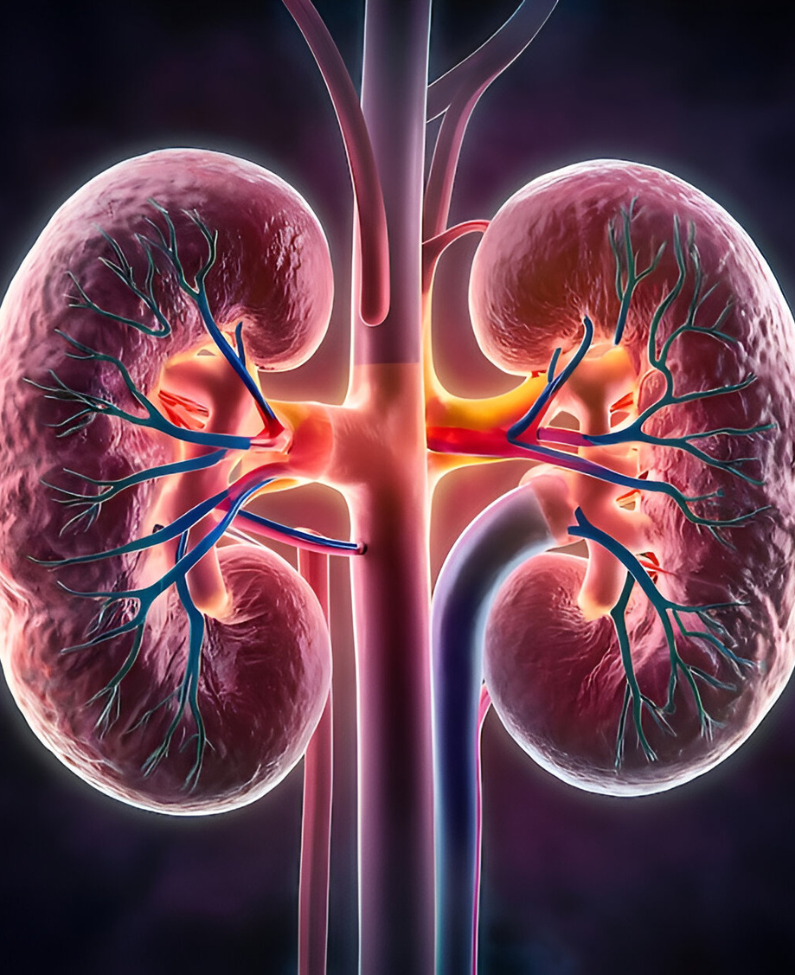
Kidney stones are hard deposits made of minerals and salts that form inside the kidneys. They usually develop when urine becomes highly concentrated, allowing minerals and waste substances to stick together and form crystals. Over time, these crystals grow into stones of different sizes. Kidney stones can cause severe pain, difficulty in urination, nausea, and blood in the urine. Drinking less water, unhealthy diet habits, obesity, and certain medical conditions can increase the risk of developing kidney stones. Early diagnosis and proper treatment can help prevent complications and protect kidney health.
Kidney stones are small, hard mineral deposits that form in the kidneys and cause pain during urination. They develop when substances in urine crystallize.
DR. Sravani Muske
These stones can vary in size and may pass through the urinary tract unnoticed, or cause severe pain if they obstruct urine flow. While some stones are as small as a grain of sand, others can grow large enough to block the ureters. The condition has been recognized for centuries, with treatments evolving over time—from herbal remedies and hydration therapy to modern non-invasive surgical techniques. Today, diagnostic tools like ultrasound and CT scans have improved early detection, while advances in laser lithotripsy and minimally invasive surgery help remove stones effectively. A combination of diet changes, fluid intake, and medication can help prevent recurrence. Just as typesetting evolved with time, kidney stone management continues to advance, offering patients safer, quicker recovery options and improved long-term outcomes.

Doctors usually diagnose kidney stones using imaging tests such as X-rays, ultrasound scans, or CT scans to identify the size and location of the stones. Treatment depends on the size of the stone and the severity of symptoms. Small kidney stones may pass naturally with plenty of water and pain-relief medicines, while larger stones may require advanced treatments like shock wave therapy (ESWL), ureteroscopy, or surgery.
Additional information
It was popularised in recent decades due to increasing lifestyle changes and dietary habits that promote stone formation. With technological advancements, treatment options like laser lithotripsy and minimally invasive procedures have made kidney stone removal more effective and less painful, reducing recovery times significantly.
Kidney stones are among the most common urological disorders, affecting people of all ages and backgrounds. They have persisted throughout human history, and even ancient medical texts describe their painful symptoms and rudimentary treatment methods. Today, early diagnosis helps prevent complications and recurring stone formation.

Comments (03)
Comments from our happy patients
This article explained everything so clearly and helped me understand how kidney stones develop and how they can be treated properly. Very informative and useful.
I was looking for some basic insights into kidney stone issues, and this content really gave me the clarity I needed without too much complexity or medical jargon.
Such a helpful post! I didn’t know that even small lifestyle changes could help prevent kidney stones. Thanks for sharing this valuable health information.